How AI Optimizes Industrial Heating and Cooling Systems
How AI Optimizes Industrial Heating and Cooling Systems
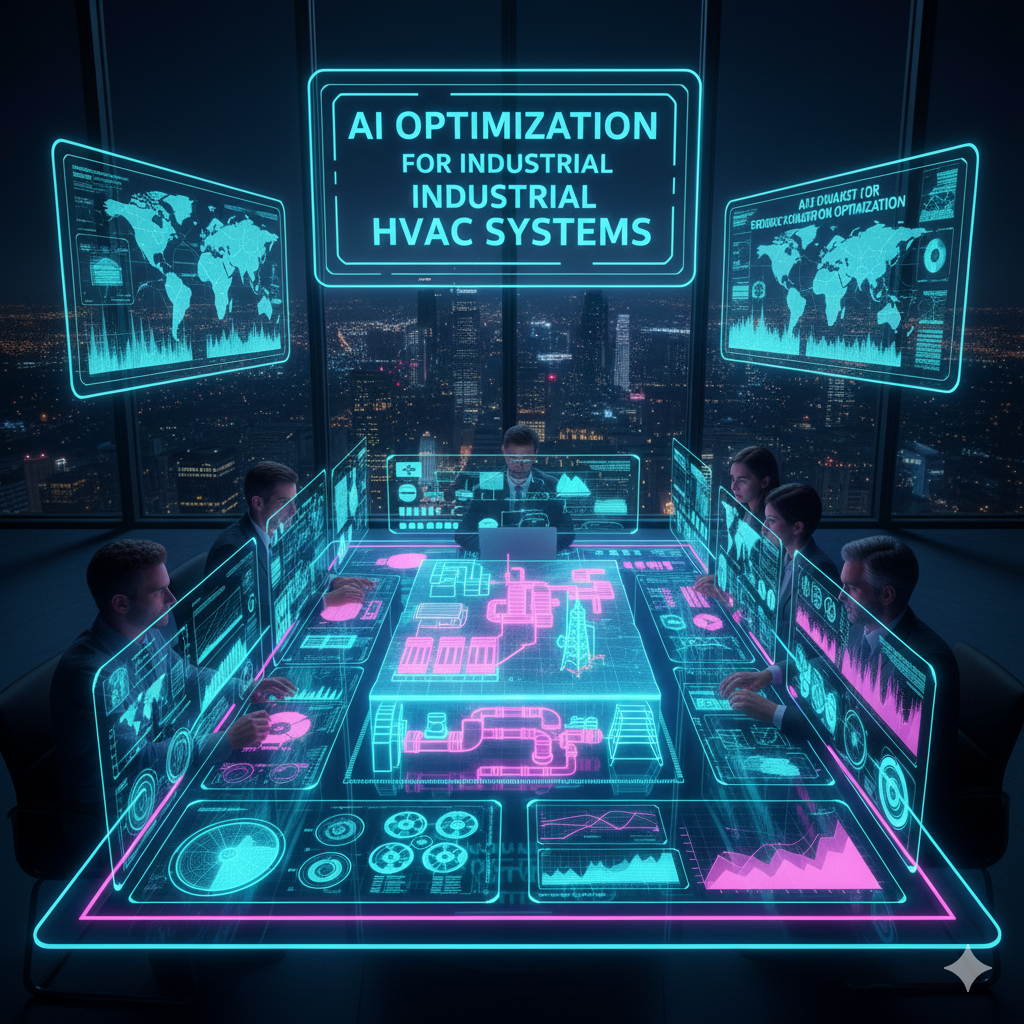
The transformation of industrial heating and cooling operations is being brought about by artificial intelligence (AI), which enables energy management that is more intelligent, more efficient, and more cost-effective. Heating, ventilation, and air conditioning (HVAC) systems are responsible for a major percentage of energy consumption in big industrial plants, warehouses, and processing facilities. Artificial intelligence technologies make use of real-time data, predictive modeling, and automated control systems in order to maximize the efficiency of energy consumption, decrease operating expenses, and enhance system performance. By incorporating artificial intelligence into the control of industrial HVAC systems, businesses have the potential to achieve both environmental sustainability and operational efficiency.
Monitoring and Data Collection Carried Out in Real Time
Heating and cooling systems that are driven by artificial intelligence need substantial real-time monitoring. Temperature, humidity, air quality, equipment performance, and energy usage are all aspects that may be monitored by sensors that are strategically placed throughout a building. With the help of artificial intelligence algorithms, this constant stream of data is analyzed to identify abnormalities, anticipate demand, and change system operations appropriately. Through the use of real-time insights, facilities are able to promptly react to variations in production needs or external weather conditions. This allows for the maintenance of ideal environmental conditions while simultaneously avoiding energy waste.
Predictive Maintenance for Heating, Ventilation, and Air Conditioning Systems
In the field of industrial heating and cooling, one of the most important advantages that artificial intelligence offers is predictive maintenance. By examining data on past performance, artificial intelligence models are able to anticipate probable faults in equipment before they really take place. In order for maintenance crews to be able to resolve problems in a proactive manner, it is necessary for them to discover concerns such as compressor deterioration, fan malfunctions, or sensor failures at an early stage. This ensures that heating and cooling systems run in a reliable and efficient manner, reducing the amount of unplanned downtime that occurs, extending the lifetime of the equipment, and lowering the expenses associated with maintenance.
Optimization of Energy Consumption
By dynamically changing heating and cooling outputs depending on real-time and expected demand, artificial intelligence facilitates the optimization of energy use. In order to find the most effective configurations for the system, machine learning algorithms examine a variety of criteria, including and not limited to production schedules, levels of occupancy, exterior weather conditions, and historical energy trends. This minimizes the amount of energy that is wasted, which in turn lowers the price of utilities and lessens the carbon footprint that industrial processes leave behind. Artificial intelligence is constantly learning and improving energy management systems in order to achieve maximum efficiency over time.
Utilization of Intelligent Building Systems Integration
Artificial intelligence is rapidly being integrated into smart building management systems in industrial buildings. For the purpose of establishing a coordinated strategy for the use of energy, these integrated systems make it possible for heating and cooling operations to interact with lighting, ventilation, and industrial equipment. While simultaneously adjusting ventilation to maintain air quality, artificial intelligence can, for instance, reduce the amount of heating or cooling in areas that are not occupied. This kind of cooperation guarantees that workers are provided with the highest possible level of comfort, that safety requirements are maintained, and that the overall performance of the system is improved.
Controlling Adaptive Behavior in Complicated Environments
The environmental needs of industrial facilities are often very varied owing to the fact that diverse production processes, the heat output of equipment, and the labor density affect the environment. Through the process of learning the specific features of each environment and making modifications in real time, artificial intelligence provides adaptive control. Because of this flexibility, the facility is able to maintain the appropriate temperature and humidity levels across the whole building without using an excessive amount of energy. Additionally, adaptive control lessens the amount of wear that is placed on HVAC components, which results in a longer operating life and fewer service disruptions.
The process of load balancing and demand forecasting
Through the use of production schedules, seasonal weather trends, and past consumption patterns, artificial intelligence is able to anticipate the energy demand throughout the whole facility. Because of these projections, facilities are able to regulate their energy loads, which helps them avoid peak energy surcharges and prevents the system from being overloaded. It is also possible to increase the efficiency of combined heating and cooling systems via load balancing, which guarantees constant performance and reduces the amount of stress that is placed on equipment during operation.
Advantages for the Environment and Long-Term Sustainability
Heating and cooling operations that are optimized lower the amount of energy used as well as the emissions of greenhouse gases, which contributes to the achievement of business sustainability objectives. Artificial intelligence-driven technologies assist facilities in meeting regulatory standards and reducing their effect on the environment by enabling them to improve efficiency and minimize waste. In addition, artificial intelligence has the capability to assess the possibility of incorporating renewable energy sources, such as solar or geothermal systems, in order to further improve sustainability.
Continuous Learning and Making Improvements to the System
In order to improve performance plans, artificial intelligence systems regularly examine operational data. It is possible for systems to grow more efficient as they gain knowledge from patterns of usage, changes in energy use, and the results of maintenance. The need for human monitoring is reduced as a result of this continual improvement, which affords facility managers the opportunity to concentrate on strategic operational planning rather than making modifications on a regular basis.
Artificial intelligence is bringing about a revolution in industrial heating and cooling systems by offering advantages such as real-time monitoring, predictive maintenance, energy optimization, adaptive control, and sustainability. Furthermore, these intelligent solutions increase environmental performance while simultaneously lowering operating costs and increasing the durability of equipment. As the technology behind artificial intelligence (AI) continues to progress, industrial facilities will increasingly depend on these intelligent solutions to build heating and cooling operations that are robust, cost-effective, and energy-efficient. These operations will also achieve economic and environmental objectives.