The Use of AI in Reducing Energy Waste Across Industries
The Use of AI in Reducing Energy Waste Across Industries
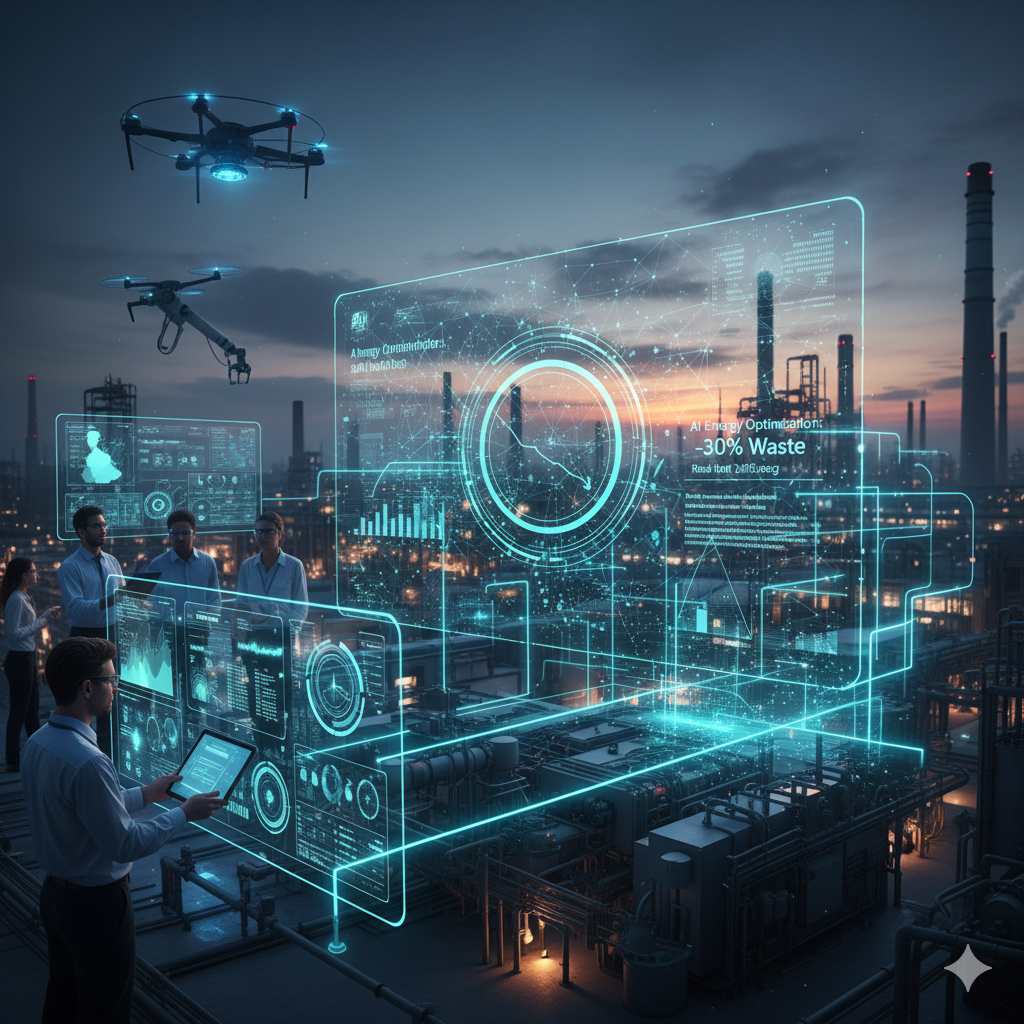
Energy waste is a significant problem that affects all sectors of the economy, leading to higher operating costs and a greater effect on the environment. Traditional methods of energy management are based on predetermined timetables and manual monitoring, both of which often fail to take into account patterns of demand that occur in real time. Through its ability to enable continuous analysis and optimization, artificial intelligence is bringing about a transformation in the way that businesses manage energy. Intelligent systems are able to recognize inefficiencies and make dynamic adjustments to usage. As a result of this transformation, industries are able to cut waste while still preserving production and dependability.
Real-time monitoring and analysis of energy use
For the purpose of continually monitoring energy use, systems that are driven by AI acquire data from sensors, meters, and other equipment. Instead of conducting audits on a quarterly basis, firms are able to acquire insight into consumption trends in real time. This information is analyzed by AI in order to identify abnormalities and inefficiencies. It is instantly possible to identify sudden increases or use that is not typical. Being constantly aware of this is the first step in reducing the amount of energy that is wasted.
Implementing Demand-Driven Optimization for Energy Consumption
Demands for energy change throughout the day in response to the activities that are being carried out. The demand patterns are predicted by AI algorithms, and the energy consumption is adjusted appropriately. The amount of energy that is used by systems may be increased or decreased in response to demand in real time. Because of this, excessive consumption during times of low demand is avoided. There is a considerable reduction in energy usage across all processes when consumption is optimized.
Maintaining Predictive Maintenance in Order to Avoid Energy Waste
It is common for equipment that is inefficient or malfunctioning to use more energy than is required. Predictive maintenance that is powered by artificial intelligence may identify machines that are running outside of ideal settings. It is important to plan maintenance before inefficiencies become more severe. This eliminates energy loss that may have been caused by components that have worn out or systems that are not operating properly. Both energy efficiency and the lifetime of equipment may be improved via the use of predictive maintenance.
Controlling Industrial Systems using Intelligent Procedures
On the basis of consumption patterns, artificial intelligence technologies will automatically manage the heating, cooling, lighting, and machines. These controls adjust themselves to the circumstances of the environment and the schedules of the operations. It is only when and where it is required that energy is used. Human supervision gaps are eliminated when automated modifications are made. By using this intelligent management, the consumption of energy that is not essential is considerably reduced.
Lessening the amount of waste produced by optimizing processes
AI examines manufacturing and operational processes in order to discover stages that use a significant amount of energy. To reduce the amount of energy that is used, inefficient operations are altered. Idle time and wasteful machine operation are both reduced via the optimization of processes. Because of these enhancements, the total energy consumption is reduced. Improvements in efficiency accumulate during the course of large-scale activities.
Facilitating the Integration of Renewable Energy Sources
There is a growing trend among several companies to incorporate renewable energy sources into their operations. AI assists in balancing the supply of energy from renewable sources with the demand from operations. Systems make predictions about availability and adapt use in order to optimize utilization of renewable resources. Reduced dependence on non-renewable sources is the result of this. Through the use of AI, energy transfers may be made more seamless and effective.
Sustainability Reporting That Is Driven By Data
When it comes to sustainability projects, accurate measurement is very necessary. There are thorough reports generated by AI systems about energy use and savings. Organizations are able to more precisely monitor their progress toward achieving their efficiency targets. In order to promote accountability and compliance, data-driven reporting is used. Transparency helps to boost efforts to promote sustainability across all sectors.
Reduced expenses and increased operational effectiveness
A direct reduction in operating expenses may be achieved by reducing energy waste. AI-driven optimization is able to identify chances for cost savings that are often overlooked by human techniques. The enhancement of energy efficiency does not result in a reduction in production. As an alternative, they improve the overall performance of the operations. When costs are reduced, the money saved may be put back into growth and innovation.
Long-Term Effects on the Sustainability of the Industrial Sector
The management of energy that is driven by AI helps to meet long-term sustainability objectives. While simultaneously increasing their efficiency, industries are reducing their impact on the environment. In the course of time, energy optimization transcends its status as a distinct endeavor and becomes an inherent component of operations. Energy management is transformed into a continuous and intelligent process via artificial intelligence. Because of this transformation, industries are now in a position to have a future that is more sustainable and cost-efficient.