How AI Is Powering Intelligent Maintenance Solutions
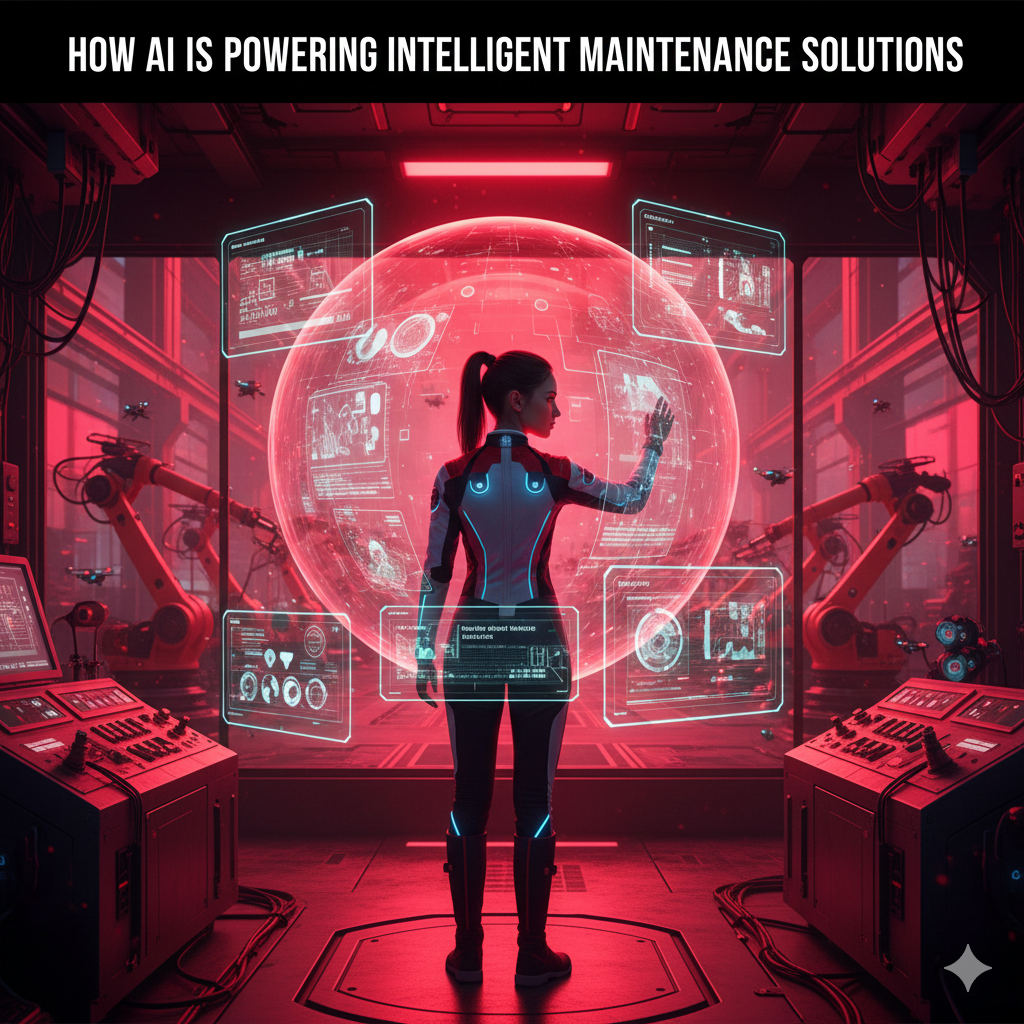
How AI Is Powering Intelligent Maintenance Solutions
Maintenance is an essential activity in industrial operations, since it has an impact on the dependability of assets, the effectiveness of output, and the expenses associated with operations. Traditional maintenance solutions, such as reactive repairs or set timetables, can result in unneeded downtime, the waste of resources, or unanticipated breakdowns. Through the implementation of intelligent, data-driven solutions that can foresee problems, optimize treatments, and prolong the life of equipment, artificial intelligence is transforming the maintenance industry. The way in which businesses manage their assets and ensure that their operations continue uninterrupted is being revolutionized by these AI-powered maintenance solutions.
The Application of Data Analysis to Predictive Maintenance
Real-time data from sensors, machines, and previous performance records are collected and analyzed by artificial intelligence computer systems. The use of artificial intelligence allows for the prediction of when maintenance is necessary by recognizing patterns that precede equipment breakdowns. These patterns include unexpected vibrations, temperature fluctuations, or wear trends. By using this preventative approach, unexpected downtime may be avoided, maintenance costs can be reduced, and equipment can be guaranteed to function dependably.
The Automation of the Scheduling of Maintenance
Intelligent maintenance solutions make use of artificial intelligence to dynamically plan interventions. Instead of depending on predetermined maintenance schedules, artificial intelligence models decide the best time to do maintenance by taking into account the real state of the equipment. This ensures that essential problems are treated swiftly while also reducing the amount of unneeded maintenance. Efficiency and resource allocation are both improved via the use of automated scheduling.
A Better Method of Fault Diagnosis
Systems driven by artificial intelligence are able to identify small irregularities that may suggest developing issues. The algorithms that are used for machine learning examine complicated datasets in order to identify the underlying causes of future problems. When maintenance teams have access to this level of diagnostic precision, they are able to focus their attention on specific issues rather than executing actions that are either wide or unneeded. The identification of faults becomes both more accurate and quicker, hence reducing the amount of disturbance to operations.
Integrating Internet of Things and Intelligent Sensors
Leverages used by intelligent maintenance using Internet of Things-enabled devices and sensors to collect continuous data on the health of equipments. This information is included by AI in order to monitor the functioning of machines in real time. The Internet of Things (IoT) and artificial intelligence (AI) work together to enable the direct identification of anomalous behavior, which in turn enables rapid interventions and the ongoing improvement of maintenance procedures.
Cutting Down on Expenses and Waste of Resources
Artificial intelligence-driven maintenance solutions assist firms in effectively allocating their resources. Businesses are able to cut losses linked to downtime, labor, and replacement parts by forecasting failures and optimizing maintenance plans. The prevention of catastrophic failures not only reduces the costs of repairs but also increases the lifetime of the equipment, which results in considerable savings over the long run.
Strengthening the Reliability and Availability of Operations
The use of predictive and intelligent maintenance helps to guarantee that essential pieces of machinery continue to function for extended periods of time. Unanticipated malfunctions and manufacturing stoppages are reduced thanks to artificial intelligence, which also improves overall operational dependability. Improved productivity and on-time delivery are two benefits that come from maintaining a consistent uptime in industrial processes.
Adaptive Learning and Ongoing Improvement are both essential.
Artificial intelligence maintenance systems are always learning from fresh data, the behavior of equipment, and the results of prior maintenance. In response to changes in operating circumstances, improvements to equipment, or patterns of use, algorithms are able to adapt. Because of this ongoing learning, maintenance solutions are able to develop over time, becoming more efficient and effective as time goes on.
Facilitating Compliance and Safety Measures
It is possible to limit the likelihood of accidents and assure compliance with regulatory requirements by maintaining equipment in the appropriate manner. Assisting safety efforts by providing correct maintenance records, early alerts, and actionable insights, artificial intelligence systems are a valuable asset. Workers and managers have the ability to take preventative measures against potential hazards, so making the workplace safer.
A Long-Term Effect on the Operations of Industrial Sectors
Intelligent maintenance solutions that are driven by artificial intelligence are redefining industrial asset management. Downtime is decreased, maintenance expenses are lowered, safety is increased, and the life of equipment is prolonged, all of which are beneficial to organizations. At some point in the future, artificial intelligence will convert maintenance from a reactive or schedule-based job into a proactive, optimized, and continuous operational capacity. This will lay the groundwork for industrial processes that are both more intelligent and more robust.