Implementing AI-Based Fleet Maintenance Tracking for Regional School Bus Operators
Implementing AI-Based Fleet Maintenance Tracking for Regional School Bus Operators
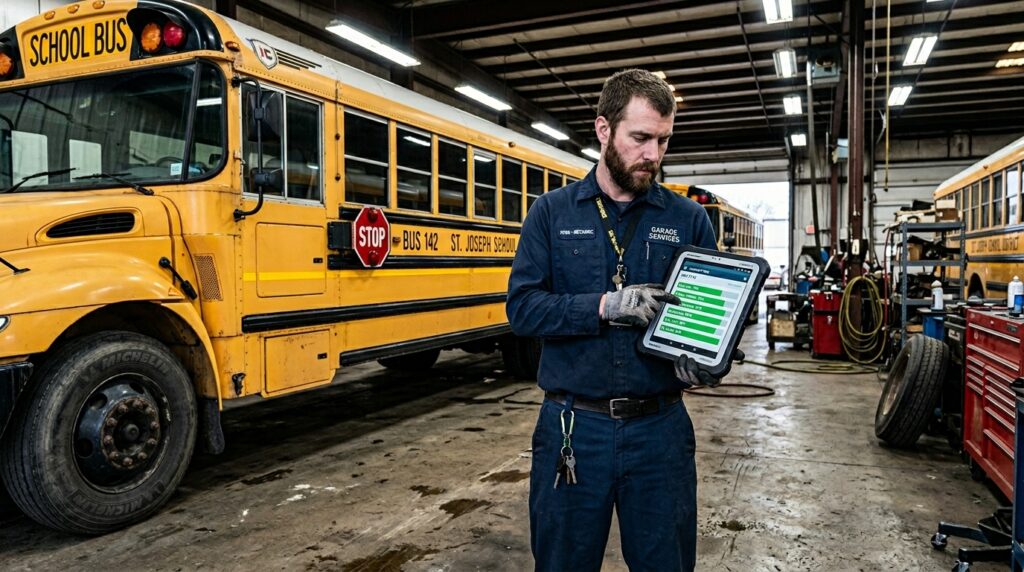
Regional school bus operators are responsible for managing fleets that are required to function dependably while adhering to stringent safety and scheduling regulations. For the sake of student safety, regulatory compliance, and operational efficiency, it is essential to certify that each and every vehicle is in good working order. When it comes to monitoring maintenance, traditional techniques sometimes depend on human records, predetermined service intervals, and reactive fixes after problems have already occurred. The implementation of these strategies may result in unanticipated failures, higher expenses, and interruptions to service. Data analysis and predictive tracking are two methods that are now being used by artificial intelligence in order to update fleet maintenance. Real-time monitoring of vehicle performance by artificial intelligence systems allows for the identification of possible problems before they escalate into more significant concerns. By using this preventative strategy, operators are able to cut down on fleet downtime and increase fleet dependability. Maintenance tracking that is based on artificial intelligence has the potential to greatly improve both safety and efficiency for regional bus services. Strategies for fleet management are undergoing a transformation as a result of the transition toward intelligent maintenance systems.
Gaining an Understanding of Artificial Intelligence in Fleet Maintenance Tracking
Using machine learning techniques, artificial intelligence-based fleet maintenance monitoring analyzes data obtained from vehicle sensors and operating systems. Onboard diagnostics are already included in modern school buses. These diagnostics produce data on a variety of topics, including engine performance, fuel consumption, braking systems, and more. The purpose of the processing of this data by AI systems is to recognize trends and discover anomalies that may suggest possible problems. AI is able to adjust to the real circumstances of the vehicle, in contrast to typical maintenance regimens that are based on miles or time. In order to improve its forecast accuracy, the system is constantly learning from both historical and real-time data. This enables operators to make maintenance choices based on accurate information. When it comes to school bus fleets, this implies that there will be fewer unforeseen problems and more dependable vehicles. Artificial intelligence offers a data-driven approach to the maintenance of fleet health. Having a solid understanding of this technology is essential in order to reap its advantages.
Early Fault Detection and Predictive Maintenance are Also Available
When it comes to fleet management, one of the most beneficial uses of artificial intelligence is predictive maintenance. Artificial intelligence systems are able to determine when a component is likely to fail by analysis of performance data. The presence of strange vibrations in the engine or swings in temperature, for instance, may be an indication of a developing problem. Before the issue becomes more severe, the system notifies the operators, which enables them to step in at the appropriate moment. The early identification of faults lowers the likelihood of failures occurring while the system is in operation. This is of utmost significance for school buses, considering the fact that dependability is crucial for the purpose of preserving timetables and guaranteeing safety. In addition, predictive maintenance reduces the amount of times that emergency repairs are required. Operators are able to maintain a constant level of service quality if they take proactive measures to rectify difficulties. Artificial intelligence makes it possible to move away from reactive maintenance tactics and toward preventative maintenance solutions. This results in an increase in both efficiency and dependability.
Reducing the amount of downtime and disruptions to service
When vehicles are not in use, it may cause disruptions to transportation schedules and provide difficulties for school operators in terms of logistics. Unanticipated problems may necessitate alterations at the eleventh hour, which may have an impact on both the drivers and the passengers. By spotting problems before they become breakdowns, maintenance monitoring that is based on artificial intelligence helps decrease downtime. It is possible to organize scheduled maintenance during non-operational hours, which will minimize disruptions. Because of this, buses will always be available whenever they are required. Another benefit of less downtime is an increase in total fleet utilization. Establishing and maintaining a consistent level of service is essential for regional operators in order to fulfill their contractual responsibilities. Better planning and coordination are both possible thanks to the insights provided by AI. Operators are able to provide transportation services that are more dependable if they take measures to minimize interruptions. A crucial component of successful operations is maintaining consistency.
Improving the Efficiency of Resource Distribution and Maintenance Expenses
The expenses of maintenance are a considerable expenditure for fleet operators, particularly when repairs are conducted in a reactive manner. These expenses may be optimized with the assistance of AI systems, which ensure that maintenance is only conducted when it is required. This eliminates the need for unneeded maintenance while also reducing expensive breakdowns. Operators are able to more properly manage their budgets when they are able to foresee the maintenance demands. Artificial intelligence also assists in the effective allocation of resources, such as placing orders for parts in advance and scheduling technicians. This results in fewer delays and increases the efficiency of the process. Keeping costs under control is very necessary for regional school bus operators in order to keep their businesses profitable. When it comes to financial management, data-driven maintenance solutions deliver superior results. AI provides more efficient use of resources and helps to cut down on waste. To ensure long-term viability, effective cost management is essential.
Improving Compliance with Regulations and Safety Standards
When it comes to school bus operations, safety is the most important concern, and maintenance plays a significant part in ensuring that vehicles are safe to operate. Artificial intelligence-based monitoring systems keep an eye on vital components like brakes, tires, and engines to make sure they are operating as they should. In order to reduce the likelihood of accidents brought on by mechanical breakdowns, the system helps detect possible problems at an early stage. In addition, AI helps ensure compliance with regulatory standards by keeping meticulous records of maintenance. Through the use of automated documentation, all inspections and repairs are consistently and accurately documented. This makes the operations of auditing and reporting more simpler. It is necessary for operators to maintain compliance in order to avoid fines and to ensure that the public puts their faith in them. When it comes to safety and responsibility, AI increases both. Methods of maintenance that are dependable help to the transportation of kids with greater safety.
Monitoring and Insights gained from Data in Real Time
Continuous monitoring in real time is an essential component of AI-driven maintenance systems. Sensors are constantly gathering data on the operation of the vehicle, which is then quickly assessed by the artificial intelligence model. Dashboards that provide insights into the health of the fleet are a means by which operators may have access to this information. Notifications sent in real time inform employees of any irregularities or possible problems. This makes it possible to take rapid action whenever it is required. Data insights can assist in the identification of long-term patterns, such as recurrent problems with certain cars or components. The strategic decision-making process and ongoing improvement are both supported by these valuable insights. When it comes to regional fleets, having access to information in real time is beneficial to improving controlling operations. The transformation of raw data into actionable insight is the function of artificial intelligence. This improves an organization’s ability to respond and to plan.
Integration with Vehicle Management Systems (FMS)
It is common practice to include artificial intelligence maintenance monitoring systems into larger fleet management platforms. This connection makes it possible to coordinate maintenance, scheduling, and operations in a smooth manner. It is possible to integrate the data from maintenance systems with the tools used for route planning and driver management. This guarantees that the operations conducted for maintenance are in accordance with the needs of the operation. It is possible to initiate automated processes depending on the insights provided by AI, such as scheduling maintenance or ordering parts. Integration enhances accuracy while also reducing the amount of human data input. For those who operate school buses, a single system makes administration easier and increases operational effectiveness. As a result of connecting several systems, the operating environment becomes more coherent. Artificial intelligence is a key component in making this integration possible.
The Emerging Trends in Artificial Intelligence-Driven Fleet Operations
The rapid development of artificial intelligence and linked technologies will have a significant impact on the future of fleet management. There is an expectation that new technologies will improve the capabilities of predictive maintenance, bringing about higher accuracy and speed. It is possible that integration with modern telematics systems will give more in-depth insights on the performance of the vehicle? Artificial intelligence might potentially make it possible for automobiles to self-report problems and autonomously schedule maintenance thanks to autonomous diagnostics. With the progression of technology, the procedures involved in maintenance will become more automated and efficient. Those regional school bus operators that embrace these technologies will have an edge over their competitors. Transportation management is undergoing a remarkable revolution as a result of the transition toward AI-driven fleet operations.