Researchers have created the world’s first living computer which is capable of thinking using human brain cells.
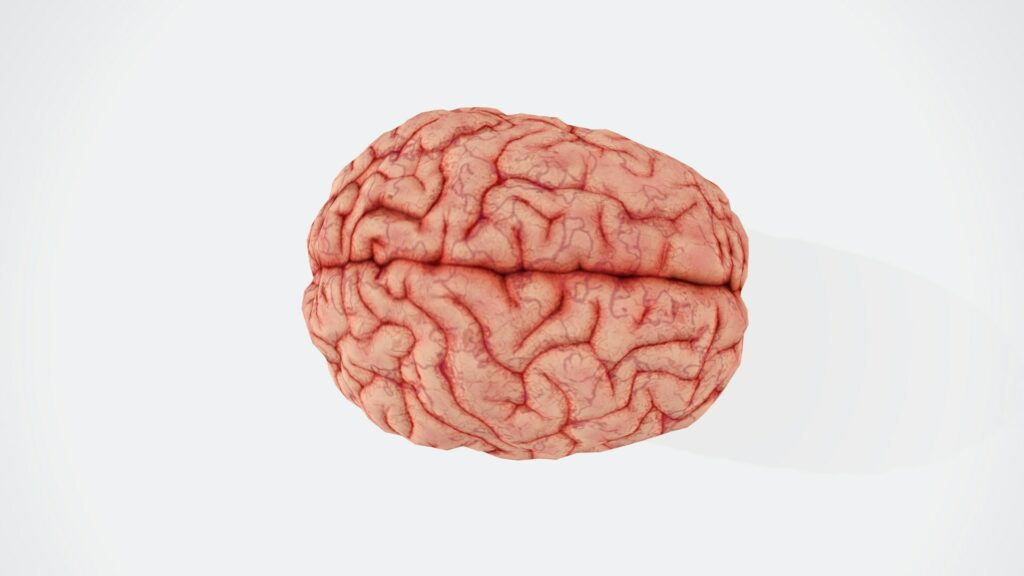
Researchers have created the world’s first living computer which is capable of thinking using human brain cells.
A biological computer that is capable of processing code has been unveiled by Cortical Labs, an Australian startup company. The company characterizes it as the first commercially accessible biological computer. The device, which is referred to as CL1, has real human brain cells that are integrated with silicon hardware. This provides a fresh platform for study in the fields of neuroscience and biotechnology.
Comprised of Living Neurons; Built
The CL1 was introduced in March and makes use of about 800,000 human neurons that have been generated in a laboratory and are obtained from adult skin or blood cells. The cultivation of these neurons takes place on a chip, and they are kept alive in a closed-loop environment that provides nutrients, controls temperature, filters waste, and maintains fluid levels. Neurons are able to interact with one another via the use of electrical pulses and adjust in real time to inputs from the outside world.
Calculations Made in Real Time
The operation of the platform is accomplished by a never-ending cycle of input, adaptation, and output. Small electrical impulses, which represent data, are supplied to the neurons, which subsequently create responses that can be measured. The software and hardware layers of the system are responsible for capturing and interpreting these responses, which enables real-time computing and learning behavior via the system.
The Chief Scientific Officer of Cortical Labs, Brett Kagan, says that this system is a simulation of the communication technique that the brain uses. This configuration enables researchers to see how neural networks respond to different forms of input, such as pharmacological stimulation and simulated lesions.
It Is Now Possible to Have a “Brain in a Vat”
The primary purpose of the CL1 is to be used in scientific study. Researchers are able to make use of the system in order to investigate neurological processes, genetic variations, and reactions to medicinal treatments. A closed-loop experimental environment is provided by the platform, which allows cerebral activity to interact continually with simulated digital worlds.