Using Predictive AI to Forecast Solar and Wind Power Generation
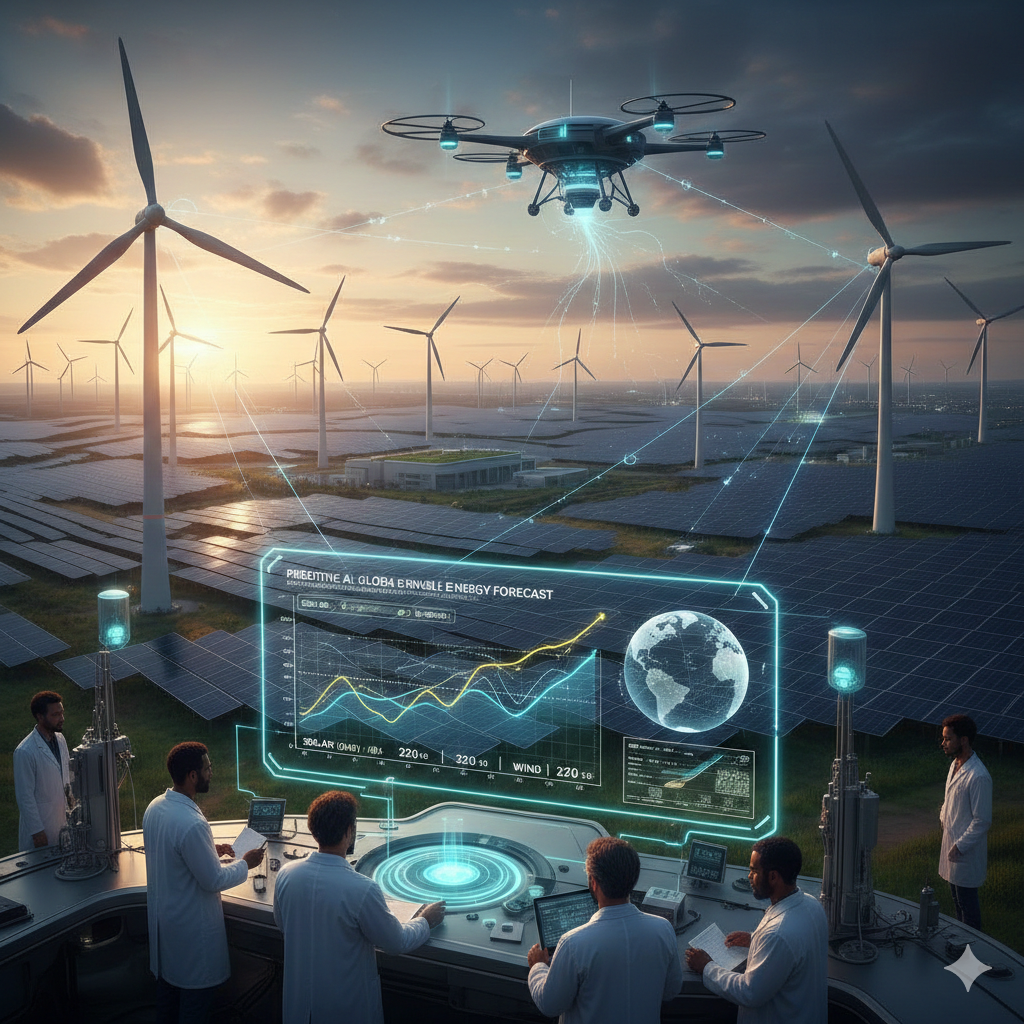
Using Predictive AI to Forecast Solar and Wind Power Generation
There has been an increase in unpredictability as a result of the incorporation of renewable energy sources, notably solar and wind, into power grids, which poses a challenge to the reliability of the supply of electricity. When it comes to the generation of energy, solar panels are dependent on the availability of sunshine, whilst wind turbines are dependent on the varying wind patterns. Both of these factors are impacted by the weather, seasonal changes, and geographic circumstances. Predictive artificial intelligence has emerged as a major answer to these issues, making it possible to accurately estimate the output of electricity from renewable sources. Through the examination of historical data, current environmental conditions, and projections of the weather, artificial intelligence models are able to make very accurate predictions about the production of solar and wind power systems. The capacity to plan energy distribution, optimize storage utilization, and maintain grid stability is made possible by accurate forecasting, which is utilized by utilities, grid operators, and managers of renewable energy. A more sustainable energy landscape may be achieved via the use of predictive artificial intelligence, which not only improves operational efficiency but also enables the cost-effective integration of renewable sources.
Utilization of Machine Learning for the Purpose of Weather Forecasting
In order to analyze complicated meteorological data and the influence it has on the production of solar and wind energy, predictive artificial intelligence makes use of machine learning techniques. For the purpose of estimating energy production for certain time periods, these models take into consideration factors such as temperature, the amount of sunshine, wind speed, humidity, and cloud covering. Artificial intelligence systems enhance their accuracy of prediction over time by continually learning from new weather patterns and past generation data on a continuous basis. Because of this capacity, operators are able to foresee times of high or low generation, make choices about operations based on accurate information, and lessen their dependency on backup systems that rely on fossil fuels.
Continuous Real-Time Observation and Modification
For the purpose of making dynamically more accurate forecasts, artificial intelligence systems include real-time data from solar panels, wind turbines, and environmental sensors. This allows predictive models to update predictions and offer grid operators with up-to-date information. This is accomplished by comparing the actual energy production with the values that were projected. This allows for proactive modifications to be made in energy storage, load management, or extra production in order to maintain grid balance. Real-time monitoring guarantees that disparities are rapidly recognized, which allows for effective grid maintenance. This feedback loop that is constant improves dependability and reduces the amount of energy that is wasted.
Improving the Efficiency of Energy Storage and Distribution
It is possible to improve the management of energy storage systems by forecasting the output of environmentally friendly energy. The artificial intelligence system is able to forecast times when there will be surplus energy available for storage, as well as times when batteries or other storage devices will need to discharge in order to satisfy demand. A precise prediction may assist in optimizing storage capacity, extending the life of batteries, and preventing overcharging or depletion of the battery. Furthermore, predictive insights make it possible for utilities to arrange energy distribution in a more effective manner, which brings to a reduction in losses and an improvement in the overall efficiency of the system.
Supporting the Stability of the Grid
It is possible for the grid to experience voltage variations or supply-demand imbalances as a result of the intermittent nature of solar and wind power source. Providing accurate predictions that enable operators to plan energy dispatch, load balancing, and reserve allocation in advance is one of the ways that predictive artificial intelligence helps to avoid these risks. Maintaining grid stability, reducing dependency on spinning reserves, and preventing blackouts or frequency deviations are all things that artificial intelligence can assist with by predicting differences in renewable energy. This is of utmost importance in areas that have a high percentage of penetration of renewable energy sources.
Demand Response Strategies That Are More Capable
In order to manage demand response systems, predictive artificial intelligence can provide information on when renewable energy will be plentiful or limited. In the case of homes and industrial customers, for instance, it is possible to provide incentives to encourage them to use energy during times of high production and to minimize their usage during times of low renewable output. The application of artificial intelligence (AI) improves the efficiency of the energy system, lowers costs, and optimizes the use of renewable energy by bringing energy demand into alignment with expected supply.
Enhancing Planning for Both Financial and Operational Matters
Accurate forecasting of solar and wind power is beneficial to both the process of financial planning and the process of making operational decisions. It is possible for energy producers to more accurately anticipate income, arrange maintenance schedules, and manage energy trading. Additionally, predictive AI helps to decrease operational risks by predicting probable shortages or surpluses. This enables managers to take preventative steps in advance, which in turn lowers operational risks. Utilizing reliable forecasting helps to guarantee that investments in renewable energy sources provide the anticipated profits while also preserving the dependability of the system.
Integration of a Number of Different Renewable Sources
The availability of energy may be seen in its whole by artificial intelligence systems, which can incorporate projections from a variety of renewable sources. The use of artificial intelligence helps to optimize the distribution of energy throughout the grid by assessing correlations between the production of solar and wind power, regional differences, and storage capacity. Utilization of renewable energy sources is maximized, dependency on conventional power plants is reduced, and overall energy system resilience is improved via the implementation of this integrated strategy.
The ongoing pursuit of knowledge and improvement
Artificial intelligence models that are predictive are always learning from fresh data, which may include mistakes in previous forecasts, shifting weather patterns, and developing system performance. The predictions made in the future are improved as a result of this adaptive learning, which guarantees that the predictions will grow more accurate and dependable over time. Continuous improvement enables energy managers to successfully adapt to fluctuations in renewable production that are both predictable and unexpected. This results in the creation of a power system that is both more intelligent and more robust.
Fostering the Adoption of Renewable Energy Sources
Through the provision of precise and dependable projections, predictive artificial intelligence enables the widespread deployment of solar and wind energy. It is possible for utilities, microgrid operators, and households to confidently anticipate their energy demand, take steps to decrease waste, and incorporate more renewable power without jeopardizing the stability of the system. Predictive artificial intelligence is an important instrument for the production and distribution of clean energy in the future because of its capacity to perform accurate forecasting, maximize operational efficiency, and ensure sustainability.