How Electric Vehicle (EV) Charging Networks Use AI for Peak Load Management
How Electric Vehicle (EV) Charging Networks Use AI for Peak Load Management
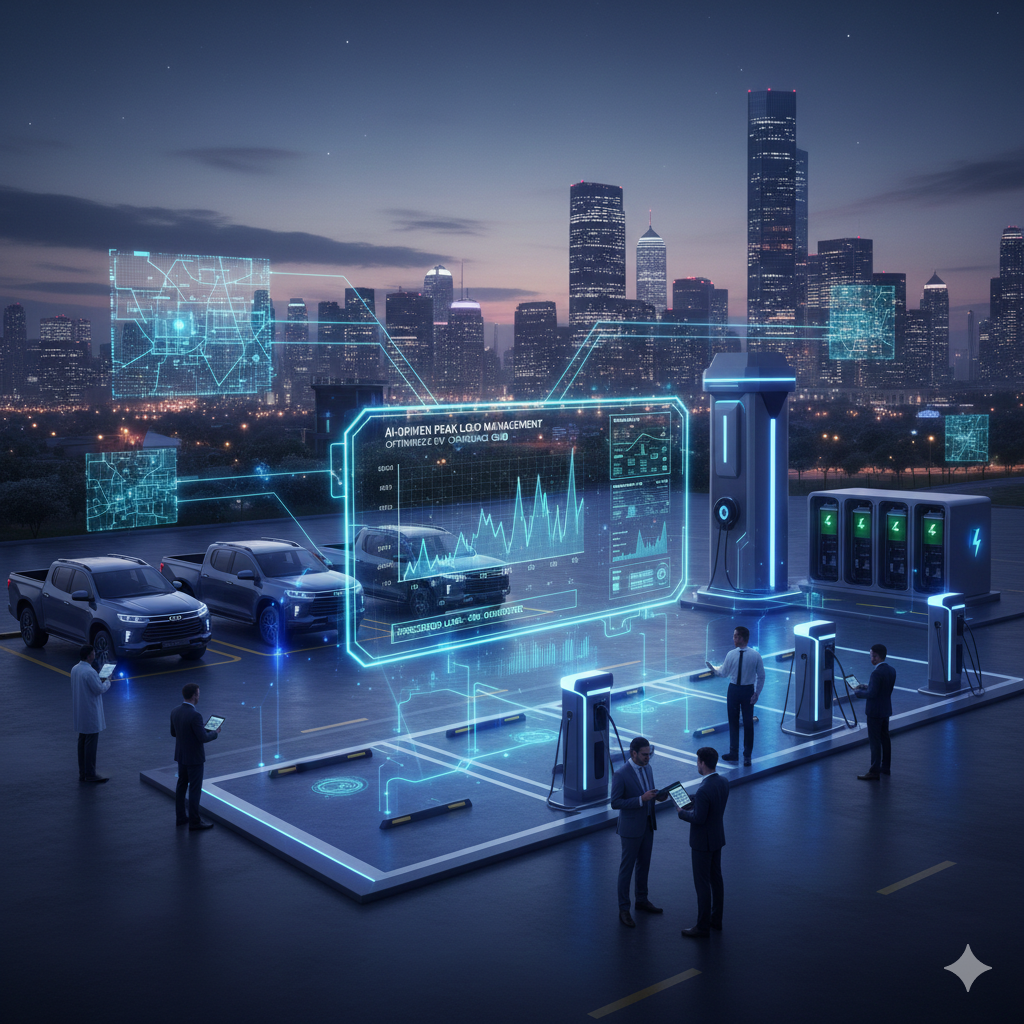
Electric grids have been presented with additional issues as a result of the fast adoption of electric cars, especially during times of high demand. Sudden surges in power use may put a strain on local infrastructure, lead to an increase in prices, and put the grid at danger of instability. This is particularly true in residential or business hubs where electric car owners charge their vehicles. By evaluating real-time data from charging stations, energy grids, and user behavior, artificial intelligence provides a potent solution for regulating peak loads. This answer is offered by artificial intelligence. In order to achieve an optimal equilibrium between supply and demand, artificial intelligence systems optimize charging schedules, forecast peak demand times, and dynamically alter power allocation. Artificial intelligence has the capacity to assure grid stability, minimize overloading, and improve the overall efficiency and dependability of electric vehicle charging infrastructure. This is accomplished by intelligently coordinating charging across many networks. This strategy not only safeguards the grid, but it also lowers the prices of energy use and enhances the whole experience for those who own electric vehicles.
Anticipating the Demand for Charging
AI makes use of previous charging data, weather patterns, and behavioral tendencies in order to estimate times when there will be a significant demand for electric vehicle charging. In order to forecast spikes in the amount of power that is used, predictive models take into account a variety of criteria, including the time of day, the day of the week, seasonal trends, and special events. Charging network operators are able to make preparations in advance, efficiently allocate resources, and apply techniques to minimize undue pressure on the grid when they have access to accurate predictions. Artificial intelligence guarantees that electric vehicle users and utility suppliers are able to manage energy effectively without sacrificing dependability by having the capacity to anticipate demand.
Load balancing that is dynamic
In order to prevent localized overloads, intelligent artificial intelligence systems distribute power across several charging stations. Artificial intelligence has the potential to reroute part of the load to adjacent stations that are underused or alter charging rates in order to ensure grid stability when a single station sees heavy demand. Dynamic load balancing ensures that electricity is utilized effectively throughout the network, so decreasing stress on the infrastructure, lowering peak demand prices, and increasing the number of cars that can be charged without disruptions.
Compatibility with Grid Management Systems Integration
In order to coordinate the supply and demand of energy on a regional scale, artificial intelligence connects electric vehicle charging networks with larger grid management systems. This makes it possible for charging stations to react to signals sent by utility operators, such as demand-response events, changeable pricing, or the availability of renewable energy. Through its capacity to synchronize with the grid, artificial intelligence contributes to the optimization of electricity distribution, lowers dependency on peaking plants that are powered by fossil fuels, and promotes sustainable energy consumption while preserving service dependability for electric vehicle owners.
Charging Schedules That Are Adaptable
Adaptive charging schedules may be implemented by AI, which can modify themselves in real time depending on the availability of energy, the circumstances of the grid, and the preferences of the user. To prevent overloading the system, for instance, cars that are plugged in during times of low demand may be charged more quickly, whilst those that are hooked in during times of high demand may have their charging slowed down. It is possible for users to give flexibility by means of mobile applications or smart charging profiles, which enables artificial intelligence to optimize charging time without causing drivers any inconvenience. Energy expenses are reduced, grid stress is avoided, and the usage of renewable energy sources is maximized when adaptive schedules are used.
Continuous Monitoring and Reaction in Real Time
Artificial intelligence has the ability to continually monitor the functioning of charging networks, identifying abnormalities, peak consumption patterns, or unexpected swings in grid demand. Adjusting power distribution, rerouting cars to other stations, or changing charging rates are all examples of instantaneous responses that the system is capable of handling. A real-time monitoring system maintains both the efficiency of the network and the safety of the grid by avoiding blackouts or localized outages that are caused by charging behavior that is not under control.
Increasing the Use of Off-Peak Charging
To encourage owners of electric vehicles to charge their vehicles during off-peak hours, artificial intelligence (AI) combines predictive analytics with dynamic pricing schemes. It is possible to reduce peak load demands by guiding drivers toward energy-efficient behavior via the use of pricing signals, alerts, and suggestions based on mobile applications. use patterns are brought into alignment with grid requirements via the use of this demand-shaping capabilities, which results in more efficient energy distribution and reduced operating expenses for both utilities and charging network operators.
Making the Most of Renewable Energy Sources
The charging of electric vehicles may be synchronized with times of strong renewable energy output, such as solar production during the middle of the day or wind surges throughout the night. Artificial intelligence helps minimize reliance on power generated from fossil fuels, reduces carbon emissions, and increases the environmental advantages of electric vehicle adoption. This is accomplished by matching charging schedules with the availability of green energy. With the help of predictive artificial intelligence, renewable energy may be used effectively while maintaining a steady charging system for vehicles.
Bringing Down the Costs of Operations
When peak load management is optimized, charging network operators are able to lower their power expenditures. This is accomplished by limiting peak demand charges and eliminating the need for costly infrastructure improvements. By maximizing the use of available resources, operators are able to service a greater number of electric vehicles, which in turn improves both their financial performance and their potential to scale. In the process of establishing electric vehicle networks, tactics driven by AI improve both profitability and sustainability.
The Prospects for Artificial Intelligence in Electric Vehicle Charging Networks
The management of bigger and more complicated charging networks will become more dependent on artificial intelligence as the number of electric vehicles (EVs) continues to increase. Future systems will combine with technologies such as smart grids, distributed energy storage, and vehicle-to-grid technologies in order to achieve a smooth equilibrium between supply and demand. A peak load control system that is powered by artificial intelligence will guarantee that electric vehicle charging continues to be dependable, cost-effective, and sustainable while also helping the larger transition to electric mobility.