How Small Communities Can Build Decentralized AI Energy Cooperatives
How Small Communities Can Build Decentralized AI Energy Cooperatives
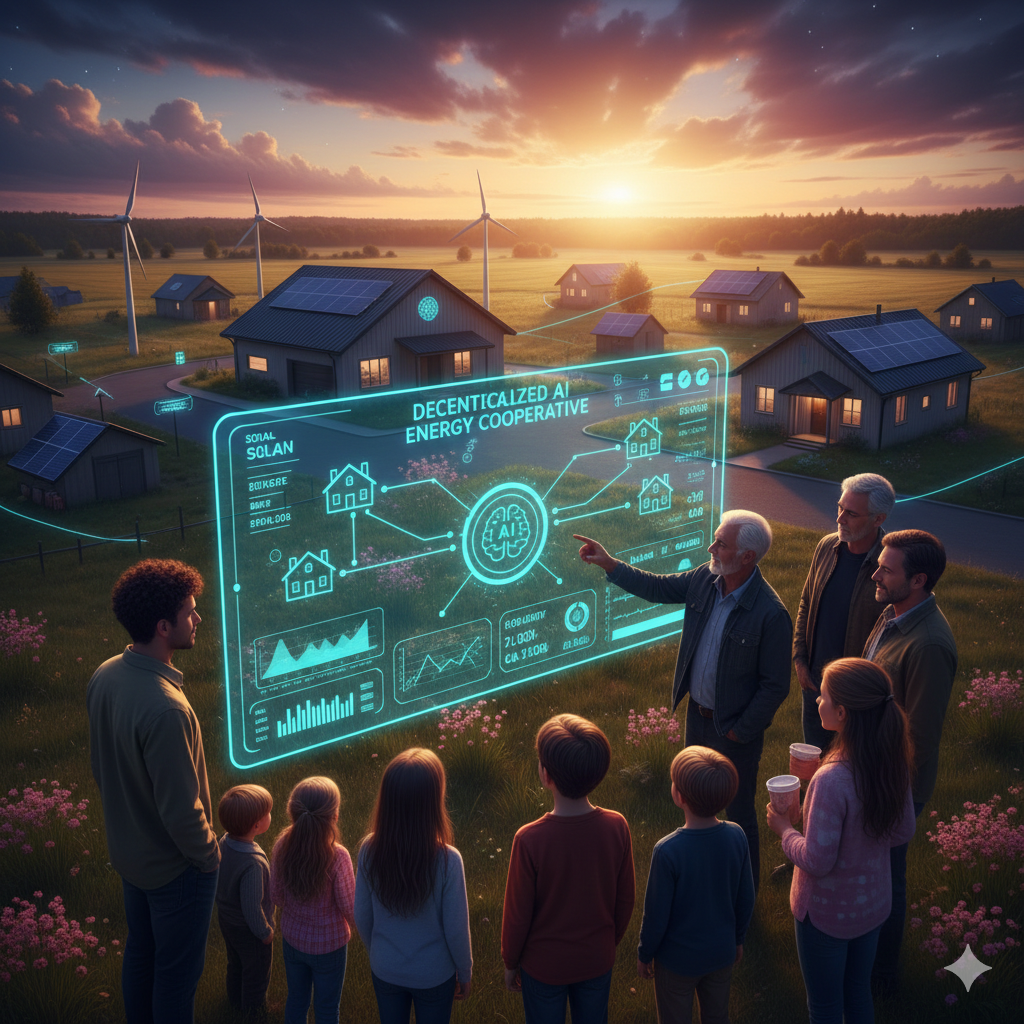
A growing number of small communities who are interested in achieving energy independence and sustainability are investigating decentralized energy systems. These systems include inhabitants working together to create, store, and manage power. Through the use of decentralized artificial intelligence energy cooperatives, these communities are able to maximize the production of local energy from solar panels, wind turbines, and other dispersed resources while preserving affordability and dependability while doing so. The analysis of consumption patterns, the prediction of demand, the management of storage, and the coordination of energy sharing among members are all accomplished via the use of artificial intelligence technologies. This strategy enables communities to achieve a more efficient equilibrium between supply and demand, lessen their dependency on centralized utilities, and make the most of the use of renewable energy sources. Through the integration of cooperative governance and artificial intelligence-driven energy management, small communities have the potential to establish energy systems that are robust, sustainable, and cost-effective. These systems empower members and serve environmental objectives.
Putting in Place a Framework for Collaborative Work
Establishing a governance structure that outlines the duties of members, the contributions they make, and the decision-making procedures is the first stage in the process of establishing a decentralized artificial intelligence energy cooperative. Agreements on investment in renewable assets, strategies for pricing energy, and profit-sharing arrangements are all included in this category to be discussed. Maintaining openness, accountability, and equal access to energy resources are all ensured by a cooperative framework that is very obvious. It is possible for the cooperative to function efficiently while also fostering collective responsibility for energy management and sustainability if the incentives provided to its members are aligned.
Distribution of Energy Resources in Distributed Systems
Solar panels installed on rooftops, tiny wind turbines, and battery storage systems are examples of distributed energy resources that should be implemented in communities. AI is able to monitor these assets in real time, allowing them to optimize their operation to meet the demand for energy and the supply of energy. The cooperative has the ability to pool resources among homes or local facilities, making it possible for them to make accessible to other members any extra energy that is created by one member. The effective deployment of distributed assets increases the usage of renewable energy sources and lowers reliance on power sources that are external to the organization.
AI-Powered Energy Forecasting and Analysis
The ability to accurately forecast energy output and consumption is essential for the upkeep of a well-balanced system. Artificial intelligence systems examine previous patterns of consumption, weather predictions, and seasonal fluctuations in order to forecast both the demand for energy and the supply of renewable energy. The cooperative is able to organize energy storage, manage excess energy, and prepare for times of low production when accurate forecasting is performed. Through the process of synchronizing use with anticipated supply, the community is able to reduce waste and provide dependable access to energy.
Dynamic Distribution of One’s Energy
Artificial intelligence makes it possible to dynamically distribute power among members of a cooperative depending on the current demand and the availability of resources. In order to prioritize important loads, optimize storage discharge, and effectively balance energy distribution, intelligent algorithms are able to do these tasks. With dynamic allocation, it is possible to guarantee that all members will get power when it is required, while simultaneously decreasing the burden on individual resources, preserving fairness, and improving overall energy efficiency.
Increasing Efficiency of Energy Storage Systems
It is vital to have energy storage in order to manage the fluctuation that comes with renewable power. Battery charge and discharge cycles are managed by artificial intelligence, which determines the ideal moment to either store surplus energy or release it in order to meet peak demand. For the purpose of maximizing the use of renewable energy, extending the life of batteries, and preventing energy shortages, efficient storage management is essential. The use of artificial intelligence guarantees that the cooperative will continue to have dependable access to electricity even during times of low generation.
Improving the Efficiency of Energy Trading Between Peers
The implementation of peer-to-peer trading systems is a possibility for decentralized artificial intelligence energy cooperatives. These systems enable members of the community to purchase or sell excess energy. Using artificial intelligence, platforms can dynamically match supply and demand, establish pricing that are fair, and guarantee that transactions are both safe and transparent. The economic concept of the cooperative is strengthened by peer-to-peer trading, which also supports the use of renewable energy sources and provides incentives for energy efficiency.
Assessing the Condition of the System and Its Performance
An artificial intelligence system is constantly monitoring the state of health and performance of distribution networks, storage systems, and renewable assets. The operators are notified of probable breakdowns, inefficiencies, or abnormalities via the use of predictive maintenance before these issues have an impact on the availability of electricity. Continuous monitoring helps to verify that the system is performing reliably, decreases the risks associated with operations, and improves the cooperative’s capacity to remain sustainable over the long run.
Fostering Participation in Community Activities and Education
For an energy cooperative to be effective, its members need to be informed of their responsibilities and actively participate. Artificial intelligence systems have the ability to deliver dashboards, insights into energy use, and suggestions to participants in order to educate them about consumption trends, renewable generating, and conservation techniques. The likelihood of members adopting habits that save energy, supporting cooperative projects, and contributing to the long-term viability of the decentralized energy system is increased when members are engaged in the system.
Assistance in Achieving Environmental and Economic Objectives
Communities have the ability to cut carbon emissions, slash energy prices, and achieve energy resilience if they combine the production of renewable energy, management systems powered by artificial intelligence, and cooperative governance. Small communities are given the potential to take control of their energy future, promote sustainability, and develop economic and social advantages via collaborative resource management through the use of decentralized artificial intelligence technology energy cooperatives.