Using Machine Learning to Optimize Energy Consumption in Independent Cold Storage Facilities
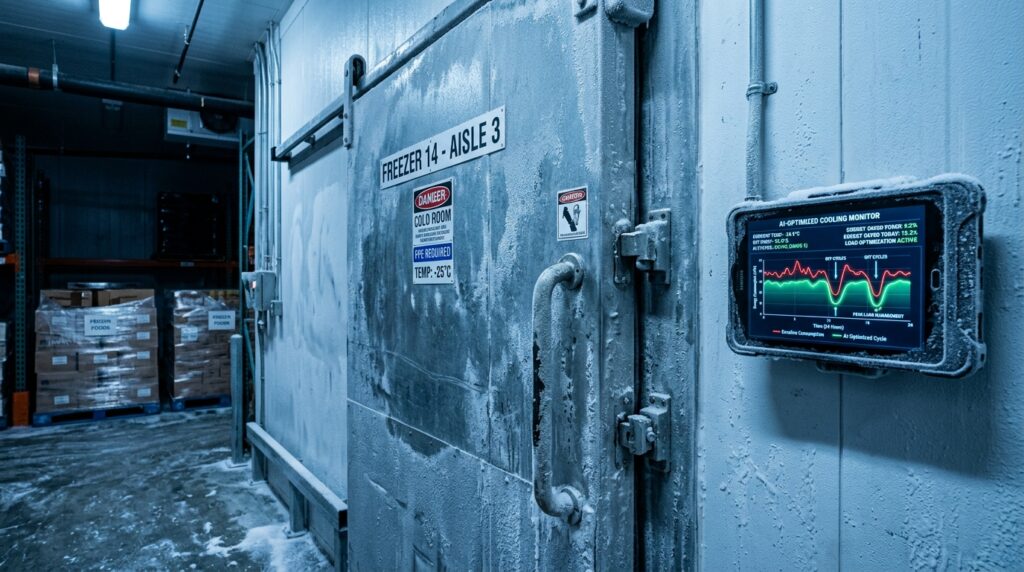
Using Machine Learning to Optimize Energy Consumption in Independent Cold Storage Facilities
Energy consumption is one of the most significant operating expenditures for independent cold storage facilities since they are required to adhere to stringent temperature control regulations. Continuous running of refrigeration systems is required in order to maintain constant chilling throughout storage units, particularly for commodities that are perishable. The conventional approaches to energy management are characterized by their reliance on fixed settings and human monitoring, both of which often fail to adjust to altered circumstances. This might result in the use of energy that is not essential and increased costs for utilities. Through the analysis of real-time data and the incorporation of dynamic adjustments to system performance, machine learning is now being used to improve energy usage. These sophisticated systems are able to forecast the amount of cooling that will be required, identify areas of inefficiency, and specify the ideal operating conditions. Facilities have the potential to considerably enhance their efficiency by slashing their energy waste while preserving the safety of their products. The use of this technology provides independent operators with a realistic means of reducing expenses and significantly improving their sustainability. Energy management in cold storage systems is undergoing a transformation as a result of the use of machine learning.
Comprehending the Consumption of Energy in Cold Storage Storage
It is the refrigeration systems, the quality of the insulation, and the ambient conditions that are the primary drivers of energy use in cold storage facilities. There are a number of factors that might have an impact on the amount of energy that is needed to maintain ideal conditions. These include the outside temperature, the humidity, and the storage load. Despite the presence of these factors, traditional systems often function at constant levels, which results in inefficiency. Compressors, evaporators, and fans are examples of pieces of equipment that, if not correctly optimized, use a large amount of power. For efficient energy management, it is vital to have a solid understanding of how these components interact with one another. In order to provide a comprehensive picture of the patterns of energy usage, machine learning algorithms do an analysis on these variables. That operators are able to detect regions where energy is being squandered is made possible by this. It is possible for facilities to make judgments that are better informed if they obtain greater insights into the behavior of consumption. When it comes to lowering operating expenses, effective energy management is very necessary.
Optimum Cooling Systems Through the Application of Machine Learning Models
By examining both historical and real-time data, machine learning algorithms are able to improve cooling systems and estimate the amount of energy that will be required. These models take into account a variety of elements, including product volume, variations in temperature, and the weather conditions outside. The system makes adjustments to the refrigeration settings in order to meet the actual demand based on this information. It is possible, for instance, to decrease the intensity of the chilling process during times of lesser activity without affecting the conditions of storage. In addition, the system is able to optimize compressor cycles in order to consume as little energy as possible while yet maintaining stable temperatures. Over the course of time, the model acquires knowledge from operational data, which boosts both its accuracy and its efficiency. This dynamic strategy uses adaptive decision-making rather than static control approaches to achieve the desired results. Through the process of continually enhancing performance, machine learning helps to decrease the use of needless energy. The end result is a reduction in costs as well as an increase in the system’s dependability.
Continuous Real-Time Monitoring and Adjustments Based on Predictions
Having the capacity to monitor systems in real time and make modifications based on predictions is one of the most significant benefits that machine learning brings to the cold storage industry. Sensors gather information on the temperature, humidity, performance of the equipment, and energy consumption. The processing of this data occurs instantaneously in order to identify patterns and irregularities. It is possible for the system to make proactive adjustments to operations if it forecasts a change in the demand for cooling. An example of this would be that it might improve the capacity for cooling before a temperature rise takes place. Consequently, this minimizes energy surges and ensures that circumstances remain steady. Additionally, real-time monitoring makes it possible to spot inefficiencies or problems with equipment in a timely manner. The use of predictive modifications guarantees that systems will always function at their highest possible levels. When it comes to responsiveness, manual monitoring is not sufficient enough to achieve this level. Reliability and efficiency are both improved by continuous tuning.
Eliminating Energy Waste and Cutting Down on Operating Costs
Cold storage facilities have a substantial challenge in the form of energy loss since even minor inefficiencies may result in considerable expenses over the course of time. Reducing waste via the alignment of energy consumption with real cooling needs is one of the benefits of machine learning. Facilities may reduce their overall power usage by avoiding actions such as overcooling and using equipment that is not essential. There will be a clear correlation between this and lower utility expenses. Additionally, enhanced system efficiency minimizes the amount of wear and tear on equipment, which in turn reduces the expenses associated with maintenance. These cost reductions have the potential to have a significant influence on the profitability of independent operators. Utilizing energy in an efficient manner also increases the overall performance of operations. The data-driven approach to cost management that machine learning offers is a significant benefit. The reduction of trash has positive effects on both the economy and the environment.
Improvements to the Performance and Durability of Equipment
In cold storage facilities, refrigeration equipment is an essential asset, and the performance of this equipment has a direct impact on the energy efficiency of the facility. Monitoring the behavior of equipment using machine learning systems helps to guarantee that it functions within the parameters that are ideal. Through the identification of patterns that point to inefficiency or stress, the system is able to provide recommendations for modifications or maintenance measures. This avoids small problems from escalating into big failures in the future. As a result of optimized functioning, components like compressors and fans experience less strain, which in turn extends their lives. Taking preventative measures to resolve issues before they result in downtime is one way that predictive maintenance further improves dependability. In order to ensure uninterrupted operation, it is essential for facility operators to ensure that their equipment is in good health. For proactive management of these assets, machine learning provides help. Enhanced performance results in increased efficiency, which in turn leads to decreased expenses.
Utilization of Intelligent Energy Management Systems Integration
It is common practice to include machine learning solutions into more comprehensive energy management systems in order to establish an all-encompassing strategy for optimization. In order to create a cohesive network, these systems link various data platforms, control units, and information sensors. Through integration, it is possible to consolidate the monitoring and management of all processes that are associated with energy. The dashboards and mobile apps that are available to operators allow them to access real-time data and insights. The implementation of modifications is ensured by automated controls, which eliminate the need for physical interaction. Enhancing efficiency and making management more straightforward are both benefits of this integrated strategy. Integration also makes it possible to coordinate with other systems, such as those serving as suppliers of utilities or sources of renewable energy. Facilities have the potential to achieve better energy optimization if they combine several technologies via cooperation. It is possible to improve both control and visibility with a unified system.
Ensuring the Achievement of Environmental and Sustainability Objectives
The reduction of energy use is not only a significant financial objective, but it is also a duty to the environment. Cold storage facilities are responsible for a significant quantity of carbon emissions since they require a significant amount of power. Through the optimization of energy use and the reduction of waste, machine learning helps to reduce the effect of this. Systems that are efficient demand less electricity, which results in a reduction in the total carbon footprint of the facility. In addition to being in accordance with environmental rules, this helps to promote sustainability objectives. Many companies are now making environmentally responsible practices a priority, and energy optimization is a significant factor in this trend. The use of machine learning offers a realistic approach to accomplishing these goals without sacrificing performance performance. Additionally, sustainable operations improve the reputation of the business and the confidence of the customers. When it comes to the industry, environmental responsibility is becoming an increasingly essential factor.
Future Developments in Artificial Intelligence-Driven Energy Optimization
The development of artificial intelligence and data analytics technologies will have a significant impact on the future of energy management in cold storage facilities. There is an expectation that new technologies will improve the capabilities of machine learning models, thereby making them more accurate and adaptable. There is the potential for further improvement in predictive accuracy through integration with advanced weather forecasting systems. Additionally, artificial intelligence may make it possible to automate the coordination of renewable energy sources like solar or wind power. Through the use of cloud-based platforms, it may be possible to achieve real-time optimization across multiple facilities. Increasing numbers of independent operators will continue to adopt new technologies as they become more readily available. The implementation of these innovations will result in additional enhancements to both efficiency and sustainability. The development of artificial intelligence-driven energy optimization represents a significant transformation in the management of cold storage facilities.